

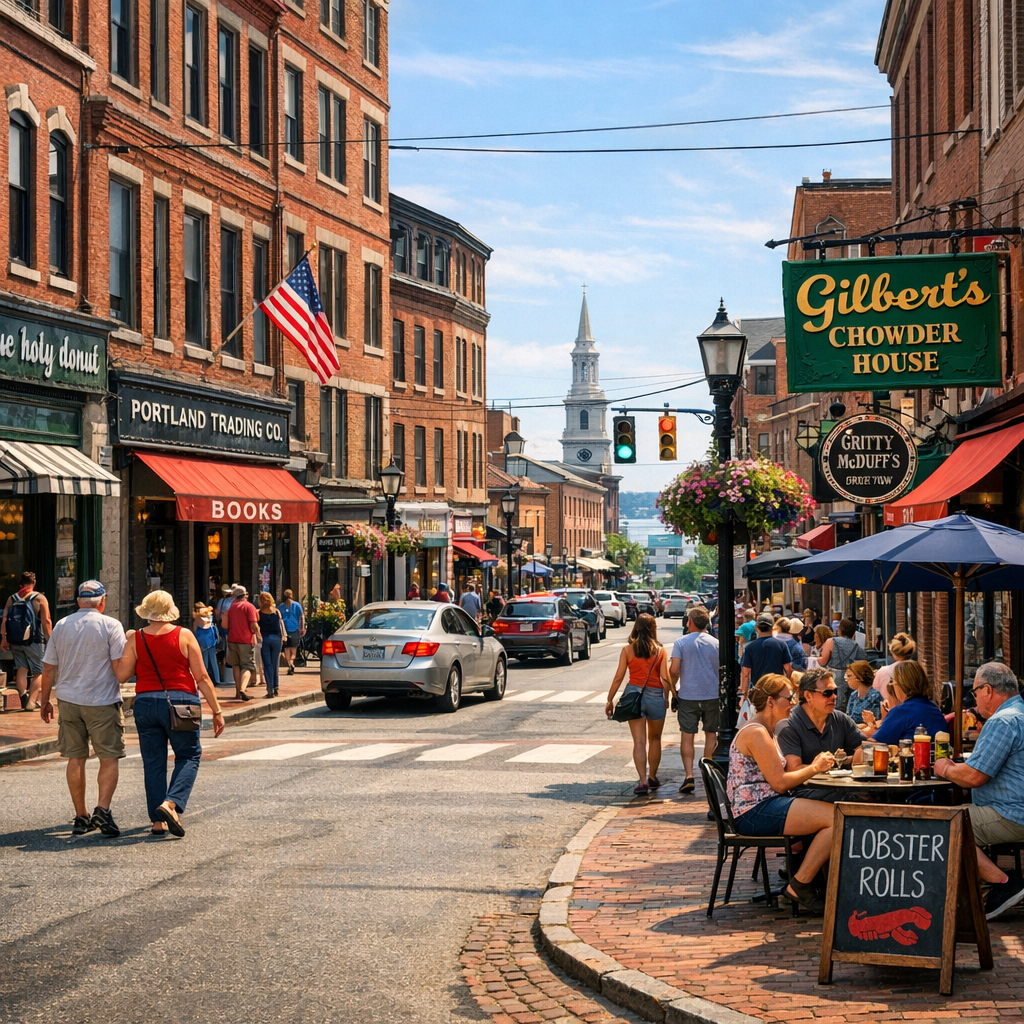
Portland, Maine, continues to experience significant economic shifts, reflecting both growth and challenges across various sectors. This article provides an overview of recent developments shaping the city’s business environment.
Downtown Office Space: Signs of Stabilization
After years of elevated vacancy rates, downtown Portland’s office market is showing signs of stabilization. In the second quarter, the vacancy rate declined slightly to 36.5%, marking the second consecutive quarter of improvement. While this rate remains higher than pre-pandemic levels, the trend suggests a gradual recovery in the urban core.
Housing Market: Embracing Middle Housing
To address the ongoing housing shortage, Portland has been promoting ‘middle housing’—including duplexes, fourplexes, and accessory dwelling units. Since the adoption of the Residential Infill Project in 2021, approximately 23% of new homes (about 4,067 units) have been classified as middle housing. Despite economic challenges like high interest rates and inflation, demand for these housing types remains strong, aligning with the city’s goal of adding 20,000 housing units over the next eight years.
Educational Attainment: A Positive Trend
The share of Portland-area residents aged 25 and older with at least a bachelor’s degree has risen from approximately 40% to 43% between the 2015–2019 and 2020–2024 periods. This increase enhances the region’s workforce quality and overall competitiveness, with college graduates in Portland earning a median annual salary of around $76,000, significantly higher than those with only a high school diploma.
Demographic Shifts: Declining Youth Population
Portland is experiencing a demographic shift, with a 5.7% decline in its under-18 population between 2020 and 2025. This trend impacts education, childcare, and the economy, leading to reduced school enrollments and potential future workforce challenges. The city may need to rely more on migration to sustain its labor force and economic vitality.
Economic Disparities: Urban-Rural Divide
A recent report highlights a widening economic divide between the greater Portland area and rural Maine. Over the past two decades, Portland’s gross domestic product increased by 39%, while rural regions saw minimal growth. This disparity underscores the need for policies that address economic stagnation in less urbanized areas.
Business Closures: Challenges in the Retail Sector
Despite overall economic growth, some local businesses face challenges. Novel Book Bar & Cafe, a beloved venue and bookstore, announced its closure after over two years in operation, citing financial pressures and operational stress. This closure reflects broader trends affecting small businesses in the area.
In summary, Portland’s economic landscape is characterized by a mix of growth and challenges. While initiatives in housing and education show promise, demographic shifts and economic disparities present ongoing concerns. Continued efforts to support local businesses and address these issues will be crucial for the city’s sustained prosperity.