

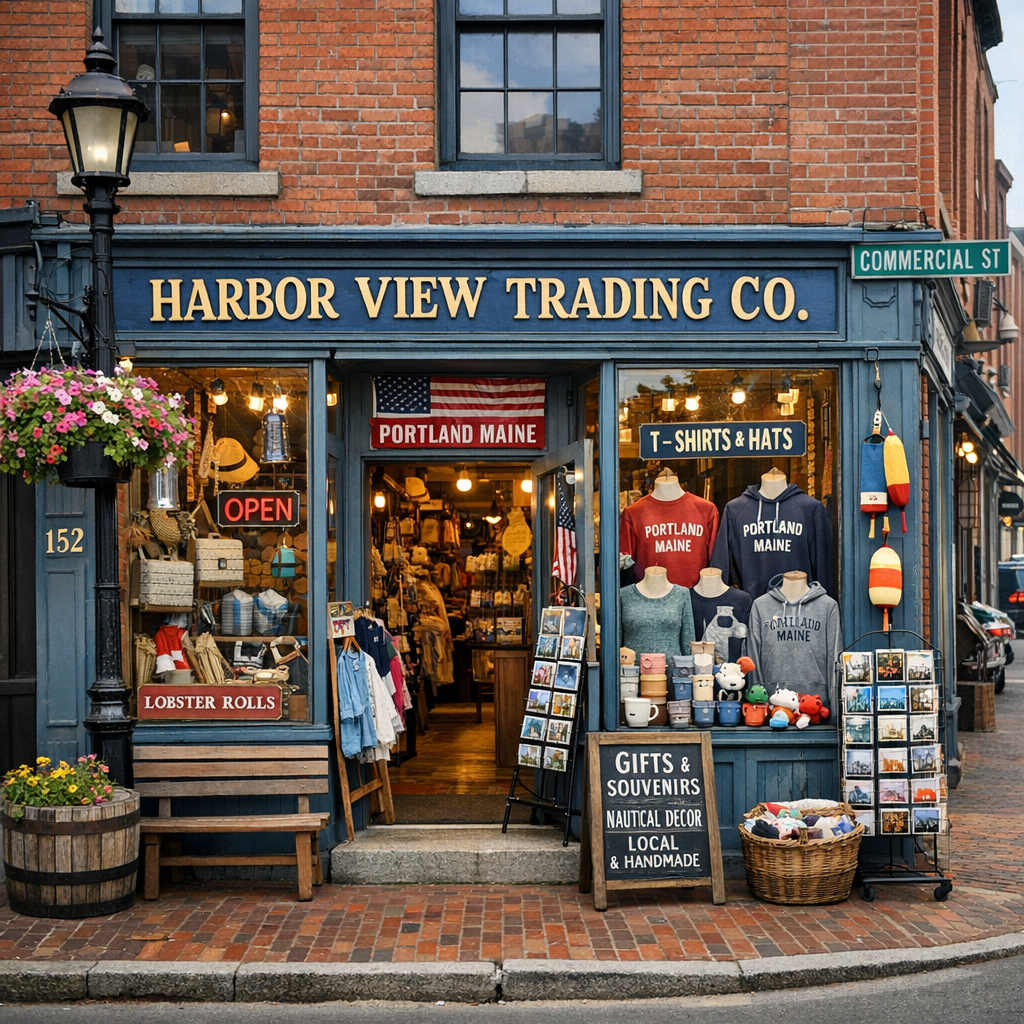
Portland’s business and economy are in a state of cautious transition. As the cost pressures, changing shopper behavior, and shifting priorities reshape the landscape, several key trends are defining how local businesses, jobs, and growth are unfolding across the city. Drawing on recent data, here’s what entrepreneurs, workers, and city leaders are paying close attention to—because these shifts aren’t temporary—they’re setting the direction for the long haul.
Strong Demand in Healthcare and Professional Services
Despite a broadly flat job market in recent months, certain sectors continue to show consistent growth. Healthcare and social assistance, for instance, remain among the most reliable drivers of employment in Portland. This aligns with statewide outlooks that project meaningful gains in that sector in coming years, powered by demographic shifts and sustained demand for local care services. Professional, scientific, and technical services—while not growing as fast—also continue to employ significant numbers of Portland residents, especially in roles tied to education, finance, and business operations.
Downtown Vacancy Slightly Easing; Occupancy Still A Concern
After years of rising vacancy in downtown office spaces, signs of stabilization have begun to emerge. Recent quarters show modest improvements in leasing activity—a promising signal for a city that has seen high vacancy rates challenge its commercial core. That said, empty storefronts and underused properties continue to weigh on perceptions of downtown vitality and safety. Local ordinances and policies aimed at encouraging owners to fill or reimagine vacant spaces are increasingly part of the conversation.
Cost Squeeze and Operational Challenges for Small Businesses
Those running small, locally owned shops and restaurants are facing two intersecting pressures: rising overhead—from rents to labor—and growing regulatory complexity. Many report that while consumer enthusiasm is still present, the financial math is harder than it used to be. Streamlining business permitting, expanding access to grants or low-interest loans, and offering advisory support remain high priorities among business owners trying to stay afloat.
Growing Importance of Local Identity, Innovation, and Ownership
Portland has long drawn strength from its independent businesses. Locally owned retailers, food enterprises, galleries, and breweries aren’t just part of the scenery—they’re part of what makes this place special. Efforts to promote minority- and women-owned businesses are gathering momentum, with support from state and city programs that recognize both the ethical value and economic potential of more inclusive entrepreneurship. Innovation in food and agriculture—such as craft brewing or farm-to-table ventures—reflects both consumer demand and local resource strengths.
Looking Ahead: What to Watch
- Housing affordability and how it affects both workers and entrepreneurs seeking space.
- Public policy interventions aimed at commercial vacancy and downtown safety.
- Opportunities for smaller businesses to partner with institutions like the Maine Small Business Development Center or state business development offices.
- The role of tourism and visitor-driven retail, especially during key months.
- The impact of statewide regulatory or funding changes on core growth sectors like healthcare.
In short, Portland’s economy may not be growing at breakneck speed, but it’s evolving—with both challenges and clear opportunity. Small businesses, smart investments, and thoughtful policy will be crucial if Portland is to retain its character while building resilience for whatever the future brings.