

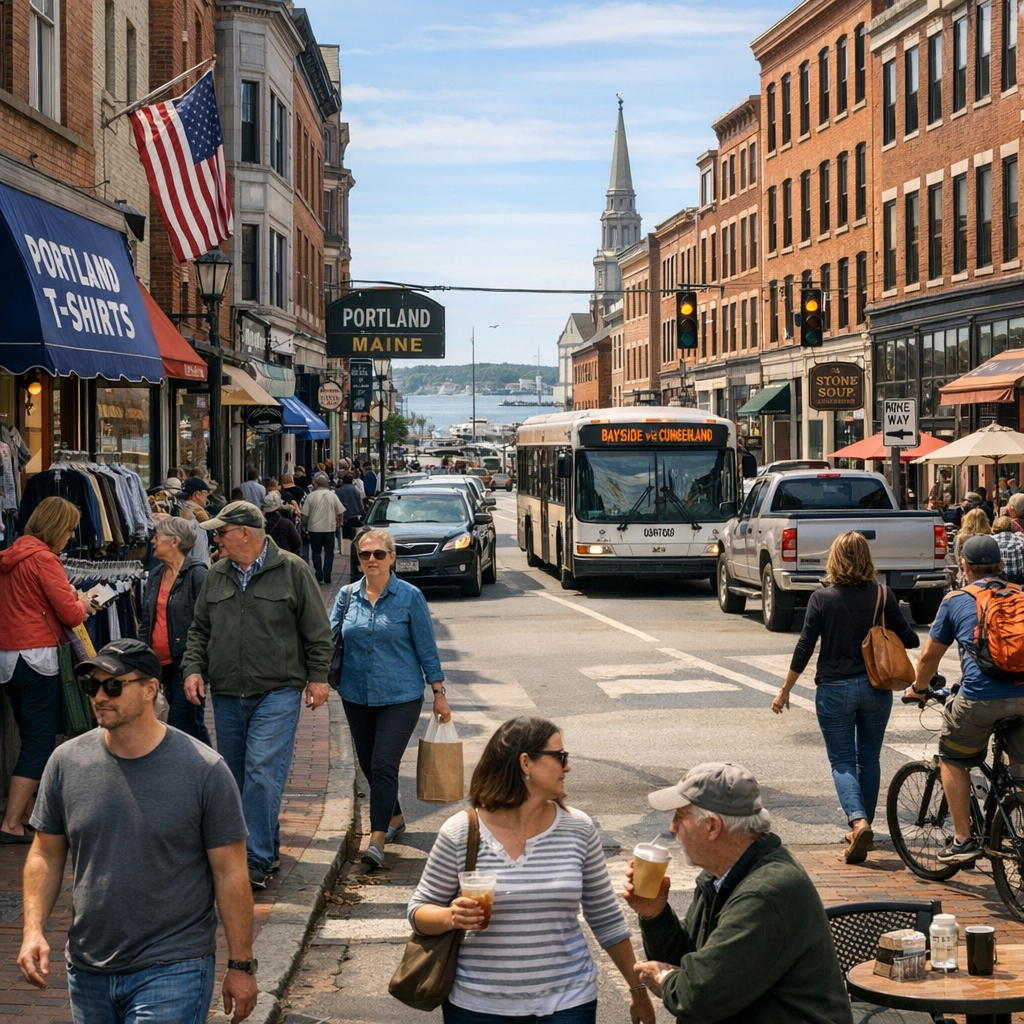
The U.S. economy is currently facing a series of challenges that are impacting households nationwide, including those in Portland, Maine. Understanding these issues is crucial for residents as they navigate their financial decisions.
Inflation and Rising Costs
Inflation has surged to 3.8% in April, driven in part by the ongoing conflict in the Middle East, which has pushed gas prices above $4.50 per gallon. This increase affects not only transportation costs but also the prices of goods and services that rely on fuel for production and delivery. For Portland residents, this means higher expenses in daily commuting and potentially increased costs for heating oil, a common energy source in Maine.
Wage Growth and Consumer Confidence
For the first time in three years, wage growth has fallen behind inflation, diminishing purchasing power. This trend is concerning for workers in Portland, where the cost of living is already a significant consideration. Additionally, consumer sentiment has plummeted to record lows, reflecting widespread economic uncertainty. This decline in confidence can lead to reduced spending, which may impact local businesses and the broader community.
Political Implications
These economic challenges have political ramifications. A recent CNN poll indicates that 70% of Americans disapprove of President Trump’s handling of the economy. This sentiment could influence upcoming elections and policy decisions that directly affect Portland residents. Staying informed about these developments is essential for understanding how national policies may impact the local economy.
Looking Ahead
While the national economic outlook presents challenges, Portland’s community resilience and proactive engagement can help mitigate some of these impacts. Residents are encouraged to stay informed, participate in local economic initiatives, and support policies that promote economic stability and growth.