

The U.S. economy is currently experiencing a complex interplay of factors influencing its trajectory. Understanding these elements is crucial for both policymakers and the public.
Inflation Trends
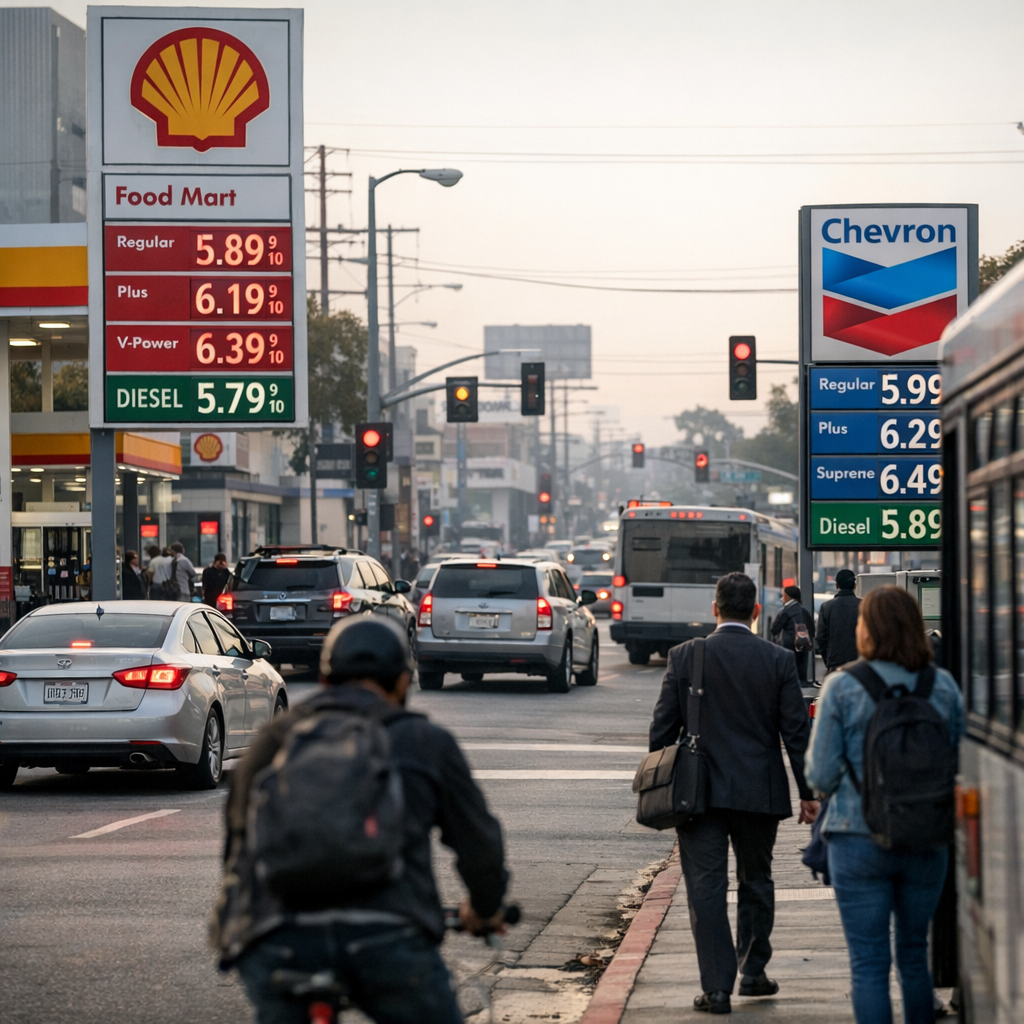
Inflation has been a significant concern, with recent data indicating a rise to 3.8% in April. This uptick is largely attributed to geopolitical tensions, notably the ongoing conflict in the Middle East, which has disrupted energy markets and trade routes. Consequently, gas prices have surged above $4.50 per gallon, impacting household budgets nationwide. Source
Employment and Wage Dynamics
Despite a strong GDP growth driven by advancements in artificial intelligence, the labor market presents mixed signals. For the first time in three years, wage growth has fallen behind inflation, diminishing real purchasing power for many Americans. This disparity has led to increased reliance on credit and a decline in consumer sentiment. Source
Policy Responses and Political Implications
The administration has emphasized strategies such as tax cuts, deregulation, and energy independence to stabilize the economy. However, public approval of these measures varies, with recent polls indicating a 70% disapproval rating of the current economic handling. This sentiment underscores the political risks associated with economic management. Source
Looking Ahead
As the nation navigates these economic challenges, it is essential to monitor ongoing developments and policy adjustments. Staying informed will enable individuals and businesses to make strategic decisions in an evolving economic environment.